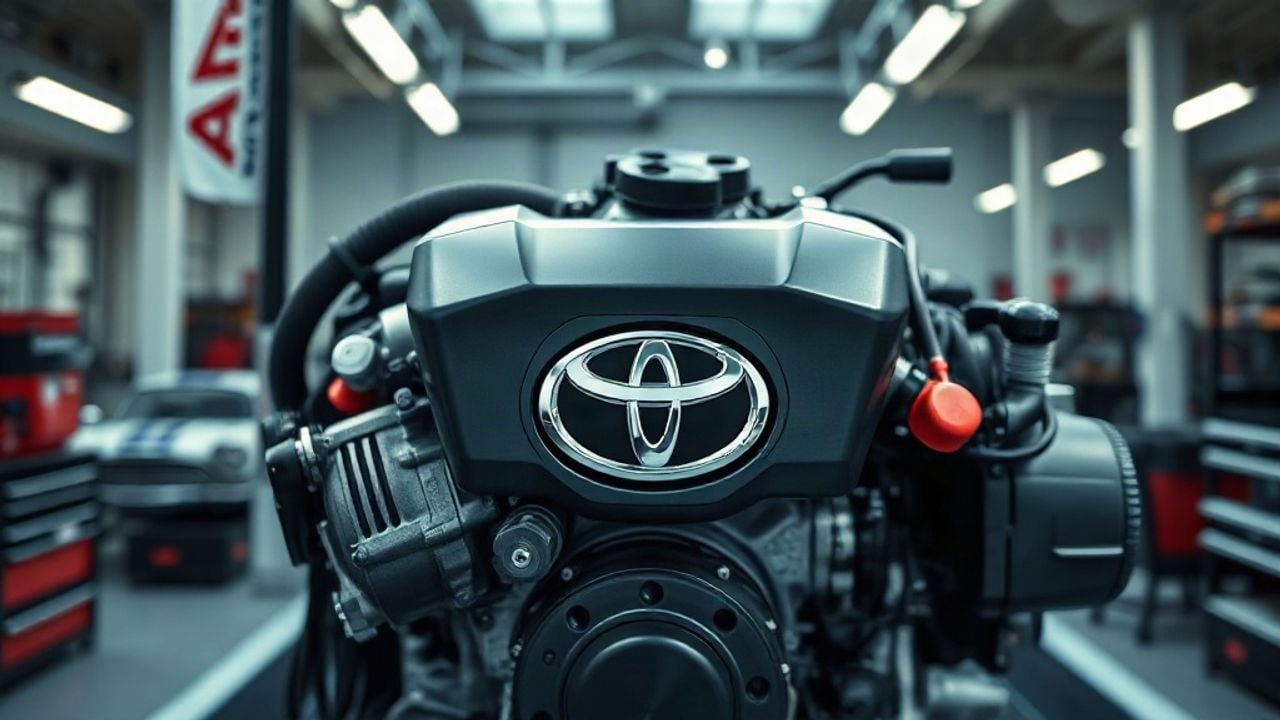
 enginesengines
When it comes to building dependable vehicles, Toyota has earned significant respect in the automotive world, thanks largely to their innovative engines. Known for combining power with outstanding efficiency, Toyota engines provide drivers with excellent performance without compromising fuel consumption. This reliability makes them a favored choice for both car owners and mechanics. If you need new, used, or imported engines, understanding the details of Toyota engines is essential for smart decision-making.
In this piece, we'll delve into different aspects of Toyota engines, looking into the variety of options available, how to choose a trustworthy engine provider, and the average costs involved. Along the way, we’ll give you practical tips for identifying the best solutions for your vehicle needs. Equipped with the right insights, you can optimize your car's performance and increase its lifespan this website.
Overview of Toyota Engines
When exploring Toyota engines, one will discover a blend of precision engineering and advanced technological features designed for outstanding performance. Their extensive range includes 4-cylinder engines commonly utilized in compact cars and more robust V6 and V8 engines that power larger SUVs and trucks. The Toyota 2.5L 4-cylinder engine serves as a prime example, known for its effectively balanced output and efficiency, often found in vehicles such as the Toyota Camry and RAV4. The line also includes the 3.5L V6 engine, which provides power for larger models like the Toyota Highlander, showcasing the versatility encompassed in Toyota's engine offerings.
Word on Engine Types
Understanding the variety of Toyota engines is essential for an informed purchase decision. The primary categories fall into gasoline and hybrid engines. Gasoline engines are praised for their dependability and long-term performance, while hybrid options, exemplified by models such as the Toyota Prius, utilize electric motors to enhance fuel efficiency considerably. These environmentally friendly hybrids are designed to produce lower emissions, making them a compelling choice for eco-conscious drivers. Additionally, Toyota is on the forefront of developing innovative, sustainable engine technologies, clearly demonstrating their commitment to environmentally responsible automotive advancements.
Choosing the Right Toyota Engine Provider
Finding a trustworthy provider for Toyota engines is crucial for enhancing both vehicle performance and its overall value. Conducting comprehensive research is vital, and several key factors need consideration. Seek out providers with a strong reputation and favorable customer reviews. Automotive discussion platforms and forums can shed light on previous customer experiences with different engine suppliers. Additionally, it's imperative to select providers that specialize specifically in Toyota engines and offer warranties for their products.
During your visit to an engine shop, ask about the origins of their engines. Using genuine parts and well-remanufactured units is essential for reliability. A reputable provider will be open about their processes and share detailed information regarding engine specifications. Furthermore, it’s beneficial to choose a provider who offers a wide range of services, including installation and maintenance, ensuring they are prepared to assist with your engine replacement or upgrade needs. For further details about Toyota engines and their specifications, various online resources can be highly informative.
Financial Aspects of Replacing Toyota Engines
The financial implications of replacing a Toyota engine can feel intimidating. Various factors come into play when determining the overall cost, including the condition of the engine, its type, mileage, and the chosen supplier. New engines are often the most expensive option, typically costing between $3,000 and $5,000, depending on the particular model and its features. In contrast, buying a used engine usually proves to be more cost-effective, with prices ranging from $1,500 to $3,000. It’s critical, however, to check the engine’s history, particularly its mileage and any prior maintenance or repairs.
Another viable choice includes remanufactured engines, which have been extensively reconditioned to ensure they function like new. The price for these engines usually falls between $2,500 and $4,000, making them a competitive mid-range option for many car owners. To minimize unforeseen costs, it is advisable to obtain quotes from several service providers and ask about installation fees as well.
For targeted comparisons, you might find it beneficial to consult the relevant Toyota article to examine historical pricing and specifications of engines. This can help you evaluate the best options for your engine needs.
Steps to Find and Purchase a Toyota Engine
- Determine your engine needs: Assess whether you require a new, used, or remanufactured engine based on your vehicle’s condition and budget.
- Research suppliers: Investigate local engine shops online, paying attention to reviews and ratings to ensure reliability.
- Compare prices: Reach out to multiple providers for quotes. This will help you gauge the average price for engine replacement and negotiate effectively.
- Check warranties: Ensure that any purchased engine comes with a warranty. A good warranty indicates confidence in the engine's quality.
- Inspect the engine: If purchasing a used engine, perform a comprehensive inspection to check for leaks, damage, or unusual wear.
- Schedule installation: Choose a qualified mechanic for installation. Ensure they have experience specifically with Toyota engines to guarantee correct fitting and performance.
Tips for Buying Toyota Engines
Prioritize quality over cost when it comes to purchasing engines. Saving a few bucks now could lead to significant repair costs in the future.
- Stick to recognized brands and reputable sellers to avoid scams.
- Ask for comprehensive service history when buying used engines.
- Consider purchasing from providers who offer installation services, ensuring a seamless process.
- Don’t hesitate to ask about engine performance tests to verify reliability.
- Keep records of all your transactions and warranties for future reference.
Frequently asked questions
What is the definition of Toyota engines?
Toyota engines pertain to the numerous engine types produced by Toyota for its range of vehicles, recognized for their reliability and fuel efficiency.
How should I select a provider for Toyota engines?
Choose a provider by considering their market reputation, client testimonials, and the assortment of services available, making certain that they focus on Toyota engines.
What is the expected cost of Toyota engines?
Pricing for Toyota engines can differ greatly, with new engines typically priced between $3,000 and $5,000, while second-hand engines generally fall within the range of $1,500 to $3,000.
When assessing Toyota engines, pay attention to tangible outcomes, straightforward reporting, and whether their strategy aligns with your market needs and timeframe. Ambiguous guarantees without a clear measurement plan should raise concerns.
Inquire about the tracking of progress, what is included or additional, and how the provider adapts strategies when performance falters. Having a written scope prior to any payment ensures protection for both parties.
The performance and reliability of a vehicle are significantly influenced by the choice of Toyota engines. Selecting the appropriate engine can enhance your driving journey, and relying on a knowledgeable supplier can effectively save both time and expenses over the years. When you have the necessary information, you’ll be empowered to make an informed decision regarding your engine preferences.
By conducting thorough research and making well-informed choices, you’re likely to discover the ideal Toyota engine tailored to your vehicle and individual preferences. Quality should never be sacrificed; your vehicle is worthy of top-notch components.
In assessing Toyota engines, it's essential to emphasize results, transparent reporting, and whether the methodology aligns with your specific market and timeline. Be cautious of vague commitments without a solid measurement framework.
Inquire about methods of progress tracking, distinguishing between what's included and what’s optional, as well as how the provider adapts strategies if rankings or traffic stagnate. Having a written scope before any payment ensures protection for both parties.